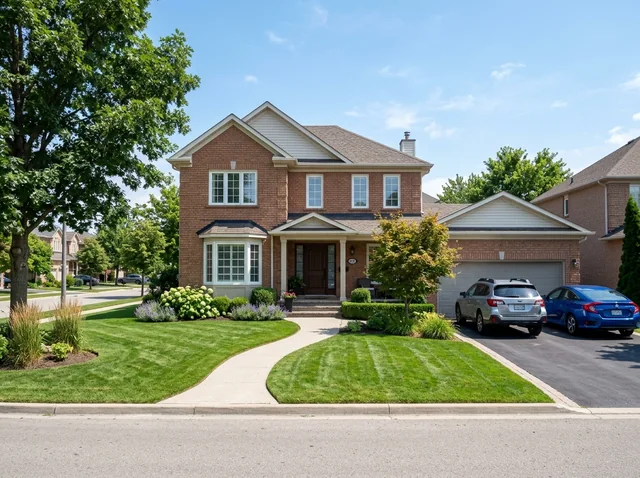
The Role of Downsizing in Retirement Plans
Many Canadian homeowners anticipate that downsizing will release hundreds of thousands in liquid capital to fund retirement lifestyle expenses. While downsizing can be an effective strategy, realistic financial modeling must account for transaction friction.
Selling and moving in Ontario incurs substantial transaction costs, including land transfer taxes, real estate brokerage commissions, legal fees, moving expenses, and adjustments. Assuming you will capture 100% of the price differential between two properties often leads to overestimation.
Reverse Mortgages vs. Traditional Equity Facilities
For homeowners aged 55 and older, specialized financial products such as Canadian reverse mortgages allow equity extraction without mandatory monthly payments. The interest compounds over time and is settled when the home is eventually sold or the estate is administered.
While reverse mortgages can provide a lifeline for cash-constrained retirees wishing to remain in their homes, the compounding interest rate environment means remaining equity can diminish significantly over a 10-to-15-year horizon.
Preserving Flexibility for Healthcare Needs
Later-in-life healthcare and assisted living expenses in Canada can require significant monthly cash flow. Preserving a clean, unencumbered home equity position into your 70s and 80s gives families a critical reserve to fund quality private care or adaptive renovations.
- Age-in-place planning: Evaluating whether equity is reserved for accessibility modifications.
- Estate planning: Discussing property succession early with beneficiaries and estate lawyers.
- Cash-flow stability: Ensuring fixed property carrying costs do not exceed reliable retirement pension income.
Coordinating with Your Advisory Team
Effective financial planning treats your mortgage and equity as integral components of a unified strategy. Contact our team to explore custom financial strategies tailored to Canadian homeowners.