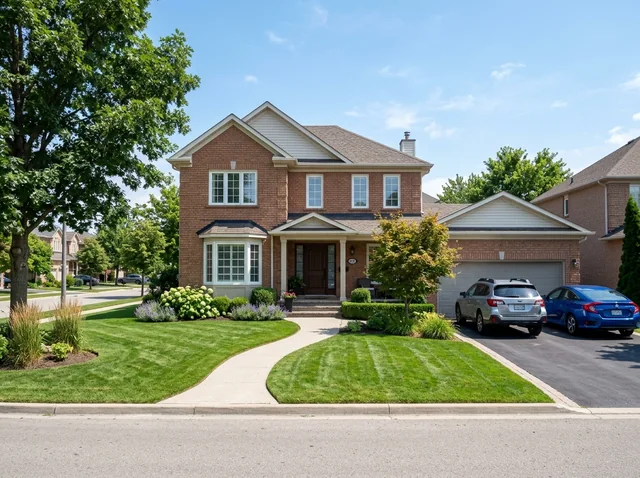
The Primary Residence as a Foundational Asset
In Canada, the Principal Residence Exemption (PRE) provides one of the few remaining tax shelters, shielding capital gains realized on the sale of an eligible primary home from taxation.
While this tax benefit is powerful, treating your primary home strictly as an investment asset can distort decision-making. First and foremost, a home provides shelter, stability for growing families, and roots in a community like Oakville or the Greater Toronto Area.
Managing the Risks of Asset Overconcentration
Many Canadian homeowners become "house rich and cash poor," having 80% to 90% of their total balance sheet concentrated in a single physical structure in one municipal market.
Diversifying wealth into liquid, uncorrelated investments ensures that changes in local municipal zoning, property tax reassessments, or regional economic downturns do not compromise your entire retirement security.
Evaluating Additional Investment Properties
Homeowners considering acquiring secondary or investment properties must recognize that investment real estate is an active business venture, not a hands-off investment. It involves tenant screening, tenancy law compliance, ongoing maintenance, and distinct mortgage qualification rules.
Under Canadian mortgage guidelines, purchasing a non-owner-occupied rental property typically requires a minimum 20% down payment and rigorous stress-testing of rental cash flows.
- Cash-flow modeling: Accounting for vacancy rates, property management, insurance, and routine repair reserves.
- Tax implications: Rental income is taxable, and capital gains on investment properties are subject to standard inclusion rates.
- Liquidity management: Ensuring adequate liquid reserves exist outside the property to handle unexpected tenant vacancies or capital expenses.
Aligning Real Estate with Generational Goals
When planned thoughtfully across decades, real estate provides a tangible foundation for the next generation. Read our dedicated article on building generational wealth through property ownership.